A well-designed garden should be enjoyable, not a constant chore. With a few smart choices, you can greatly reduce the time you spend weeding, mowing, and watering, while still having a garden that looks great year-round. Below are ten practical ways to lower your garden maintenance without sacrificing the look or function of your outdoor space.
Install a Thick, Healthy Layer of Mulch
Installing a thick layer of mulch is one of the easiest ways to reduce garden maintenance. A depth of around 5–10cm is ideal, whether you choose coloured mulch such as red or black, or recycled mulch (which you can often source for free). Mulch slows down weed growth, helps retain moisture in the soil, and reduces how often you need to water. Over time, mulch will break down, especially recycled mulch, which is not a bad thing, as it improves soil quality. However, it is worth checking your mulch depth once a year at the end of winter and topping it up if needed.
Reduce the Amount of Lawn You Need to Mow
We Aussies love our lawns, and there is nothing better than a green patch of grass during summer. That said, lawns do require ongoing mowing and watering, which can quickly add to your maintenance workload. Rather than removing the lawn entirely, it is worth thinking about how much lawn you actually use.
One customer in Kyabram, who has a large and well-established garden, chose to include their fruit trees within mulched garden beds instead of mowing around them. This simple change removed roughly 100 square metres of lawn, saving significant time and water during the warmer months.
Plant Local Native Plants
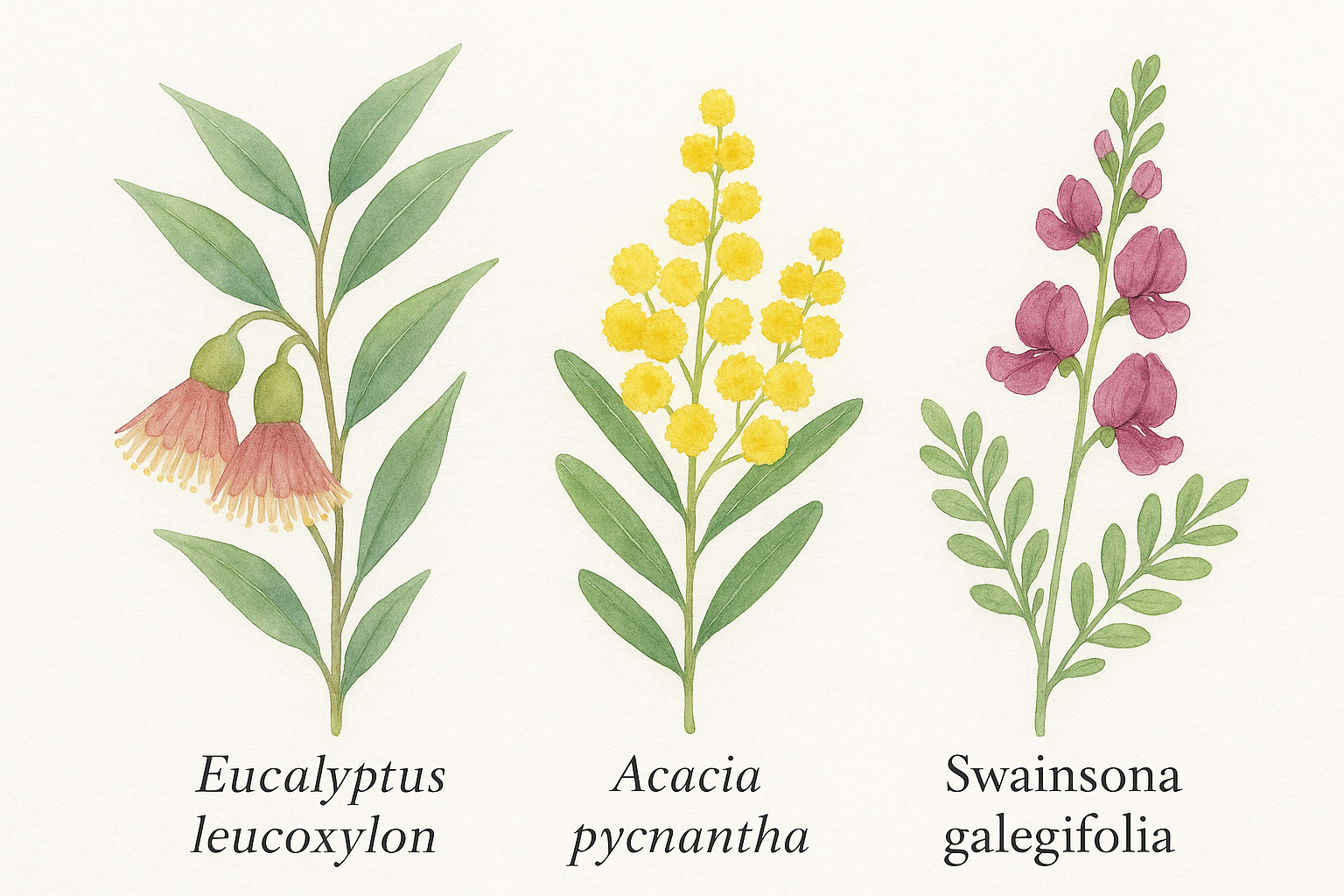
Native plants are an excellent option for anyone wanting a low-maintenance garden. Many natives require less watering than other plants and only need pruning once a year, if at all. While native plants are not everyone’s preference, it is still worth researching which plants are truly native to your local area. Councils such as Bendigo Council often provide free resources to help homeowners choose suitable species, like this PDF. Plants like wattles are great for screening neighbours or hiding fences, while native groundcovers help fill space and reduce weed growth.
Grow Vegetables in Raised Garden Beds
Growing your own vegetables is appealing to many people, but veggie gardens often get neglected when life gets busy or when you go on holiday. Raised garden beds make maintaining a vegetable garden much easier. They slow down weeds creeping in from surrounding areas and are far easier to manage if the garden gets out of control while you are away. Because raised beds sit at a comfortable working height, it is much easier to weed, water, and harvest without bending over. They also allow better control of soil quality, which helps plants stay healthy with less effort.
Keep Your Garden Design Simple
Simple garden designs are far easier to maintain in the long run. Even small design choices, such as avoiding tight spaces around trees or clotheslines, can make a big difference. It is important to allow enough space around hedges and plants so they can be accessed for pruning. The same applies to planting along buildings, where you may still need room for a ladder to clean gutters or carry out repairs once plants are fully grown. Thinking about access early on will save time and frustration later.
Install Quality Garden Edging
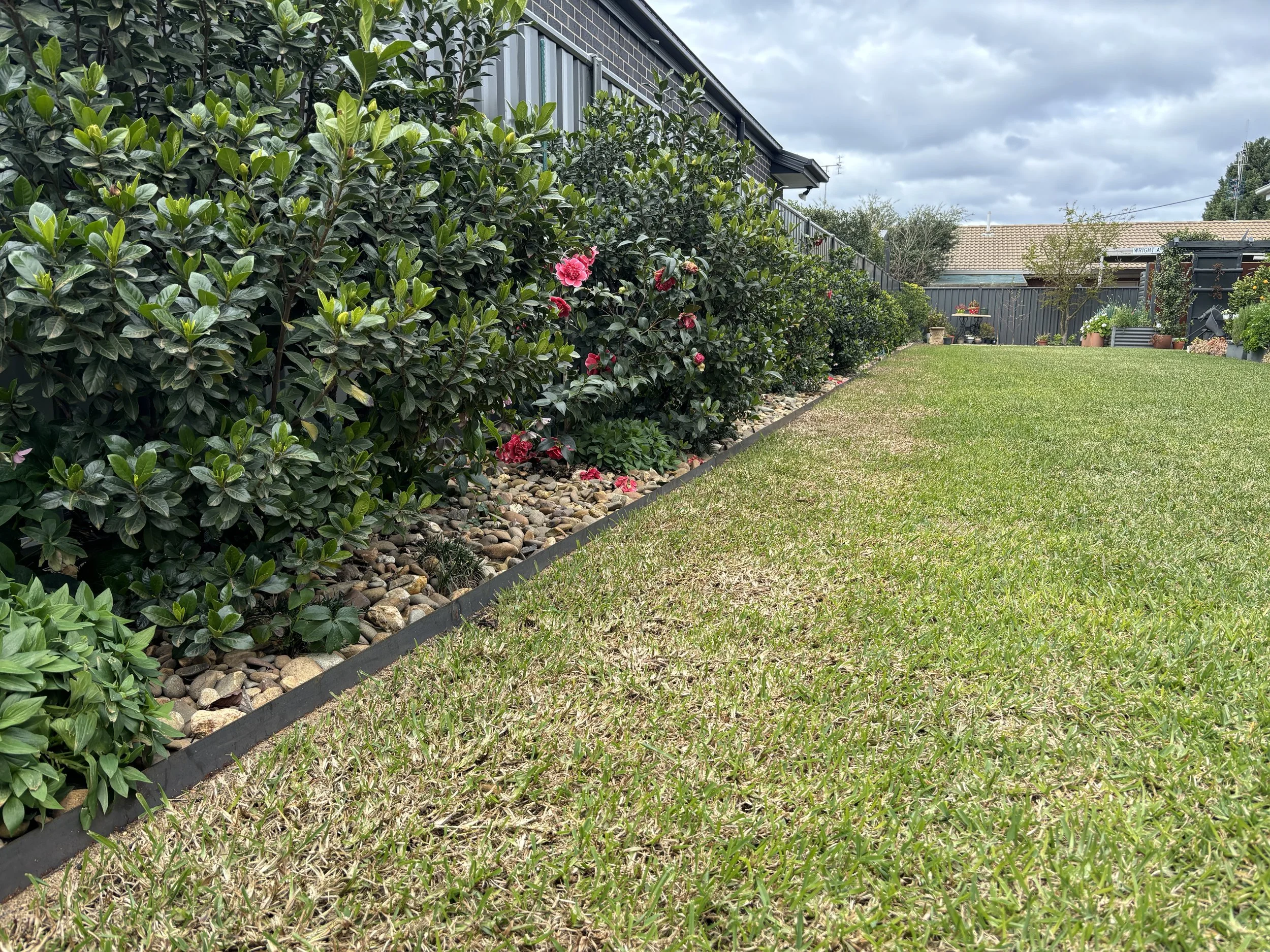
Installing quality garden edging helps define the different areas of your garden and makes maintenance much easier. Whether you choose steel edging or timber sleepers, a clean edge between lawn, mulch, and stones allows for faster mowing and neater trimming. Defined edges also stop mulch and gravel from spreading, which reduces the need for raking and cleanup caused by birds and pets. Over time, good edging can significantly cut down the effort needed to keep your garden looking tidy.
Use Hardscaping in Your Garden Design
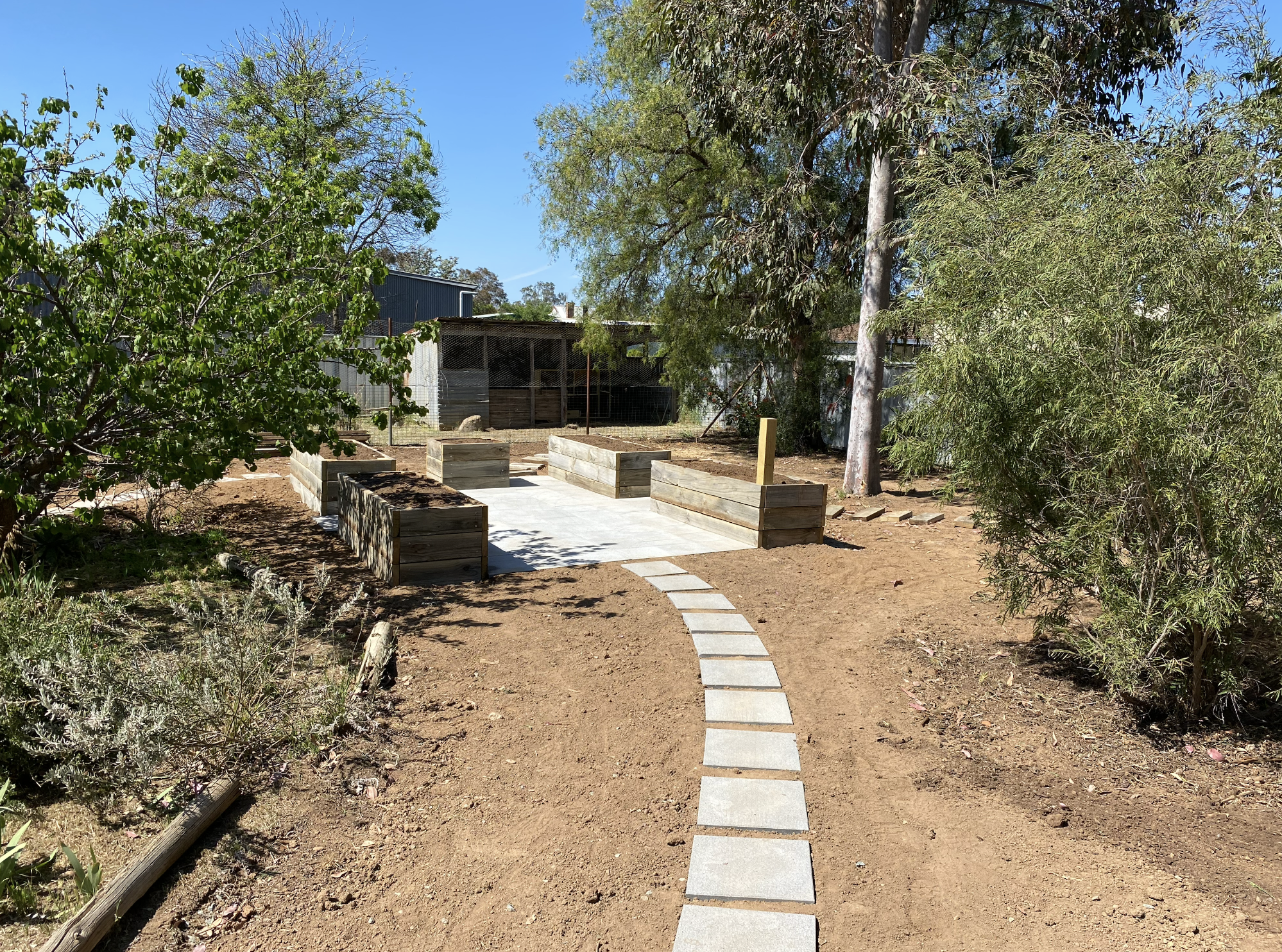
Hardscaping elements such as concrete, pavers, and gravel can greatly reduce garden maintenance when used correctly. While concreting an entire backyard is not recommended, small changes like adding gravel paths or paving around garden beds can make a big difference. These areas reduce weed growth, improve access, and limit muddy patches, especially in high-traffic areas. When combined with garden beds, hardscaping can help create a balanced and practical outdoor space.
Install an Irrigation System
Installing an irrigation system is one of the most effective ways to reduce ongoing garden maintenance. Automated watering systems take the guesswork out of when and how much to water. Drip irrigation systems are particularly effective as they deliver water directly to plant roots rather than wasting it through misting and contributing to weed growth. Where possible, I like to install a simple shut-off valve before the irrigation controller, which allows the system to be turned off easily after heavy rain, without needing to adjust complicated settings.
Design Your Garden Around Water Needs
Another useful approach I picked up from a customer in Rochester is to design your garden based on how much water different plants need. Plants closer to the house and outdoor taps can be watered more frequently, while plants further away should be more drought-tolerant. This way, if you run out of time or the hose does not reach every area, the most important plants still receive enough water. Native plants such as wattles work particularly well along fence lines, where regular watering is less practical.
Use River Stones in Hard-to-Access Areas
In areas that are difficult to reach or maintain, large river stones can be a good alternative to mulch. Stones such as 50/20 river stone don’t break down like organic mulch and help reduce weed growth, especially when used with weed matting underneath. These materials are well-suited to areas near houses, where wet mulch can cause issues such as rot or attract termites. However, garden beds with stone coverings can restrict water and nutrients, so installing irrigation or using potted plants in these areas is often the best solution.
Final Thoughts
If you have made it to the end of this article, Thank You! Hopefully, these ideas will help you make a few simple changes to reduce the time and effort spent maintaining your garden, and yet you spend more time enjoying it. If you have any questions or would like help improving your outdoor space, feel free to get in touch. I am always happy to have a chat and offer advice.